
What Causes Your Genesis Check Engine Light to Turn On?
Owning a Genesis means driving a vehicle that's engineered with extraordinary attention to detail. Whether you enjoy the athletic handling of the Genesis GV70, the commanding sophistication of the GV80, or the refined elegance of the G80, every Genesis is designed to deliver effortless performance, intelligent technology, and uncompromising comfort.
That's why seeing the check engine light illuminate,
can feel unsettling.

Unlike older vehicles that often displayed a warning only after a noticeable problem
developed, today's Genesis models constantly monitor hundreds of operating
parameters through advanced onboard diagnostics.
In many cases, the system identifies even
minor irregularities long before they begin affecting the way your vehicle
drives.
At Genesis of Central Florida, our
Genesis Certified technicians use a factory-approved Genesis check engine light
diagnostic tool to identify faults with exceptional precision, allowing us to
preserve the refined performance your vehicle was designed to deliver.
Solid vs. Flashing Check Engine Light
Understanding how the warning behaves is
just as important as understanding why it appears.
A Solid Check Engine
Light
A steady warning generally indicates a
condition that should be inspected soon.
In many cases, your Genesis will continue
driving normally because the issue has been detected early. However, delaying
diagnosis can allow relatively minor problems to become larger repairs over
time.
A Flashing Check Engine
Light
A flashing warning deserves immediate
attention.
Many owners enquire:
"Why is my flashing engine light on
GV70?"
A flashing check engine light usually
indicates an active engine misfire.
When combustion isn't occurring
correctly, unburned fuel can enter the exhaust system, creating excessive
temperatures that may damage the catalytic converter.
If your Genesis model begins flashing the
check engine light, avoid aggressive acceleration, reduce your speed when it's
safe to do so, and arrange professional service as soon as possible.
Why Genesis Vehicles Require Specialized Diagnostics
Luxury vehicles rely on significantly
more sophisticated electronics than conventional automobiles.
Genesis integrates advanced powertrain
management systems that continuously optimize performance, efficiency,
emissions, and refinement.
A generic scan tool may retrieve a basic
trouble code.
A factory-approved Genesis check
engine light diagnostic tool, however, communicates directly with
manufacturer-specific control modules, allowing technicians to evaluate:
·
Live sensor data
·
Fuel trim information
·
Turbocharger performance
·
Ignition timing
·
Adaptive engine learning
·
Freeze-frame operating
conditions
·
Genesis-specific software
updates
This allows technicians to diagnose the
true source of the warning instead of replacing components based on
assumptions.
Common Reasons Your Genesis Check Engine Light May Turn On
1.
Advanced Engine Management System Alerts
The Smartstream® engines found throughout
the Genesis lineup are designed to deliver smooth, responsive power while
maximizing efficiency.
To achieve this balance, the engine
continuously adjusts fuel delivery, ignition timing, airflow, and emissions in
real time.
If any of the sensors responsible for
managing these systems report unexpected data, the check engine light may
illuminate, even if you haven't yet noticed a change in vehicle performance.
Early diagnosis helps ensure the
sophisticated engine management system continues operating exactly as Genesis
intended.
2.
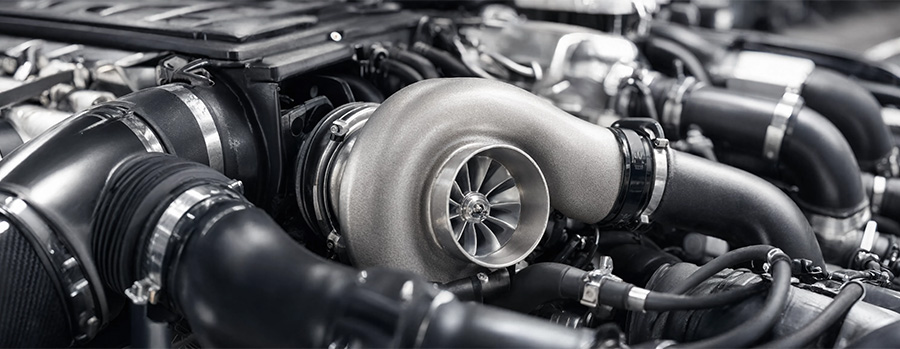
Turbocharger Performance Monitoring
Many Genesis models, including the GV70,
GV80, G70, and G80, feature turbocharged powertrains engineered to provide
effortless acceleration without sacrificing efficiency.
Turbochargers operate under tremendous
heat and pressure.
To protect these components, your Genesis
continuously monitors:
·
Boost pressure
·
Airflow
·
Intake temperatures
·
Wastegate operation
·
Turbo efficiency
If any of these values move outside
expected ranges, the engine management system may trigger the check engine
light.
Drivers may notice:
·
Slightly slower
acceleration
·
Reduced responsiveness
·
Lower fuel economy
·
Changes in boost
performance
Because turbocharged engines depend on
precise calibration, prompt diagnosis helps prevent unnecessary wear while
preserving the smooth power delivery Genesis owners expect.
3.
High-Pressure Direct Injection Fuel System
Genesis Smartstream® engines utilize
advanced Gasoline Direct Injection (GDI) technology.
Unlike conventional fuel systems,
high-pressure injectors deliver fuel directly into each combustion chamber with
remarkable precision.
This improves both performance and
efficiency.
However, over time, issues involving fuel
injectors, fuel pressure sensors, or carbon deposits can affect combustion
quality.
Possible symptoms include:
·
Hesitation during
acceleration
·
Rough idle
·
Reduced fuel economy
·
Minor engine vibration
·
Check engine light
illumination
Professional diagnostics help determine
whether cleaning, calibration, or component replacement is required before
performance is noticeably affected.
4.
Oxygen Sensors and Emissions Monitoring
Luxury performance and environmental
responsibility go hand in hand. Your Genesis continuously monitors exhaust
gases using oxygen sensors positioned before and after the catalytic converter.
These sensors help the Engine Control
Module maintain the ideal air-fuel mixture, maximizing both efficiency and
smooth power delivery while keeping emissions within factory specifications.
Over time, oxygen sensors can become
contaminated or wear out naturally.
Common symptoms include:
-
Reduced fuel economy
-
Sluggish acceleration
-
Rough idle
-
Increased emissions
-
Illuminated check engine
light
Although these symptoms may seem minor initially, delaying repairs can place additional stress on the catalytic converter, resulting in significantly higher repair costs.
5.
Ignition System Performance
One characteristic Genesis owners
appreciate is the effortless smoothness of the powertrain.
Whether accelerating onto Florida's
Turnpike or cruising through Clermont, every combustion event inside the engine
is carefully managed by sophisticated ignition components.
Spark plugs and ignition coils work
together to ignite the air-fuel mixture with precise timing.
As these components wear over time,
combustion becomes less efficient.
Your Genesis may begin to experience:
-
Rough idle
-
Slight hesitation under
acceleration
-
Reduced engine
responsiveness
-
Engine misfires
-
Difficulty starting
Because modern Genesis engines are exceptionally refined, even small ignition irregularities often become noticeable earlier than they would in many conventional vehicles.
Addressing ignition concerns promptly helps preserve the smooth, quiet performance that defines the Genesis driving experience.
6.
EVAP System and Loose Gas Cap Check Engine
Warning
One of the simplest causes of a check
engine light can also be one of the easiest to overlook.
If you've recently refueled your vehicle
and the check engine light appears shortly afterward, a loose gas cap check
engine warning may be the culprit.
Your Genesis uses an advanced Evaporative
Emissions (EVAP) system that prevents fuel vapors from escaping into the
atmosphere.
If the fuel cap isn't tightened correctly
or if its sealing gasket becomes worn, the system may detect a pressure leak
and illuminate the warning light.
Fortunately, this issue is often resolved by replacing or properly tightening the fuel cap. However, because the same warning can also indicate leaks elsewhere within the EVAP system, professional diagnostics remain the most reliable way to confirm the exact cause.
7.
Catalytic Converter Protection
Your catalytic converter is one of the
most important and most expensive components within your emissions system.
Its job is to convert harmful exhaust
gases into cleaner emissions without affecting the refined performance of your
Genesis.
The catalytic converter itself is rarely
the original problem.
Instead, it is often damaged by another issue that has gone unresolved, including:
-
Engine misfires
-
Faulty oxygen sensors
-
Fuel system problems
-
Ignition failures
This is one of the reasons Genesis engineers illuminate the check engine light early. Diagnosing small problems before they damage larger components helps protect both vehicle performance and long-term ownership costs.
Can You Continue Driving?
Whether it's safe to continue driving
depends largely on how your Genesis is behaving.
If the warning light remains solid and
your vehicle continues driving normally, scheduling service at your earliest
convenience is generally appropriate.
However, if you experience any of the following, your Genesis should be inspected immediately:
-
Flashing check engine
light
-
Noticeable loss of power
-
Heavy engine vibration
-
Loud knocking noises
-
Smoke from the exhaust
-
Engine overheating
Continuing to drive under these conditions can allow minor concerns to escalate into significant engine or emissions repairs.
Schedule Certified Genesis Diagnostics in Clermont Today
Your Genesis was engineered to deliver an
elevated driving experience, one defined by effortless performance, intelligent
technology, and exceptional refinement. When the check engine light appears,
addressing it promptly helps preserve the luxury, reliability, and confidence
you've come to expect.
Whether you're searching for answers
about a loose gas cap check engine warning, wondering why your flashing engine
light is on in your GV70, or need expert assistance using a Genesis check
engine light diagnostic tool, the Genesis Certified team at Genesis of Central
Florida is here to help.
Schedule your service appointment today and experience the precision, expertise, and personalized care that make Genesis ownership truly exceptional.
